
Our MissionThe Women’s Environmental Justice Policy Center advances gender and climate justice in the U.S. by working at the intersection of women’s rights and environmental justice.
WEJ accomplishes this through gender-focused research, public education campaigns, and evidence-based policy recommendations that center women, people of color, Tribal Nations, and other marginalized communities.
I don’t get it?
-
Climate change has a profound impact on women in the United States, with low-income women, coastal communities, and women of color facing the greatest effects. Women and children are 14x more likely to die in climate disasters than men. American women specifically face increased risks of violence, reduced life expectancy, diminished access to menstrual supplies, and increased adverse pregnancy outcomes due to climate change. It often worsens existing socioeconomic challenges, including economic instability and health risks.
-
Women must be a central part of policy development. Although women make up about 51% of the U.S. population, they remain underrepresented in government. Women hold only 28% of seats in the 119th Congress and about 33% of state legislative seats. Because of this gap, policies are often developed without fully reflecting the experiences and needs of half the population. Research shows that promoting gender equality in policy improves the outcomes for all members of society, not just women. Making a conscious effort to include women of all backgrounds, ethnicities, and perspectives helps ensure policies are more representative, effective, and responsive to a changing society.
-
Women are underrepresented at every level of climate decision-making, from STEM fields and climate research to public office and heads of state, which means they have less influence over the decisions that shape their lives. Although women now hold a record share of seats in Congress, they still make up only 28% of voting members, and that underrepresentation shows up in policy outcomes. Women’s issues in policy are dismissed at higher rates, rarely become law, and are still too often framed in narrow or generic terms rather than as serious climate and justice concerns. Additionally, equal rights on the basis of sex are not explicitly enumerated in the Constitution without the Equal Rights Amendment, making it harder to consistently require policymakers to consider gender when making decisions, including in areas like climate policy, where women’s voices are already underrepresented.
-
The reality of this situation is saddening. However, the opportunity for change is significant. By providing Congressmembers and decision-makers with robust, compelling data that showcases the impacts of environmental issues for women, those in power can develop solutions that reflect the actual needs of the people. You can accelerate this change by donating to support WEJ’s research and policy efforts.
WEJ
/wee-jay/
WEJ stands for “Women’s Environmental Justice,” a term that names how environmental justice specifically relates to women and gender. It emphasizes that women, especially women of color, are both uniquely affected by environmental harms and central leaders in the Environmental Justice movement, making up 90% of EJ group memberships in the United States.
WEJ describes a social movement to ensure women’s needs and voices shape environmental solutions, along with an emerging field of study focused on how environmental conditions affect women’s health and wellbeing.
The term “WEJ” intentionally combines “we” and “EJ” to signal working together across movements toward a future in which laws and policies protect those most at risk. We coined the term “WEJ” for our organization to highlight and acknowledge these important intersections and provide a platform to create research on these topics and advocate for more inclusive policy solutions.
Most importantly, WEJ represents a future where our laws and policies are designed to protect those at risk.
Meet the Founders
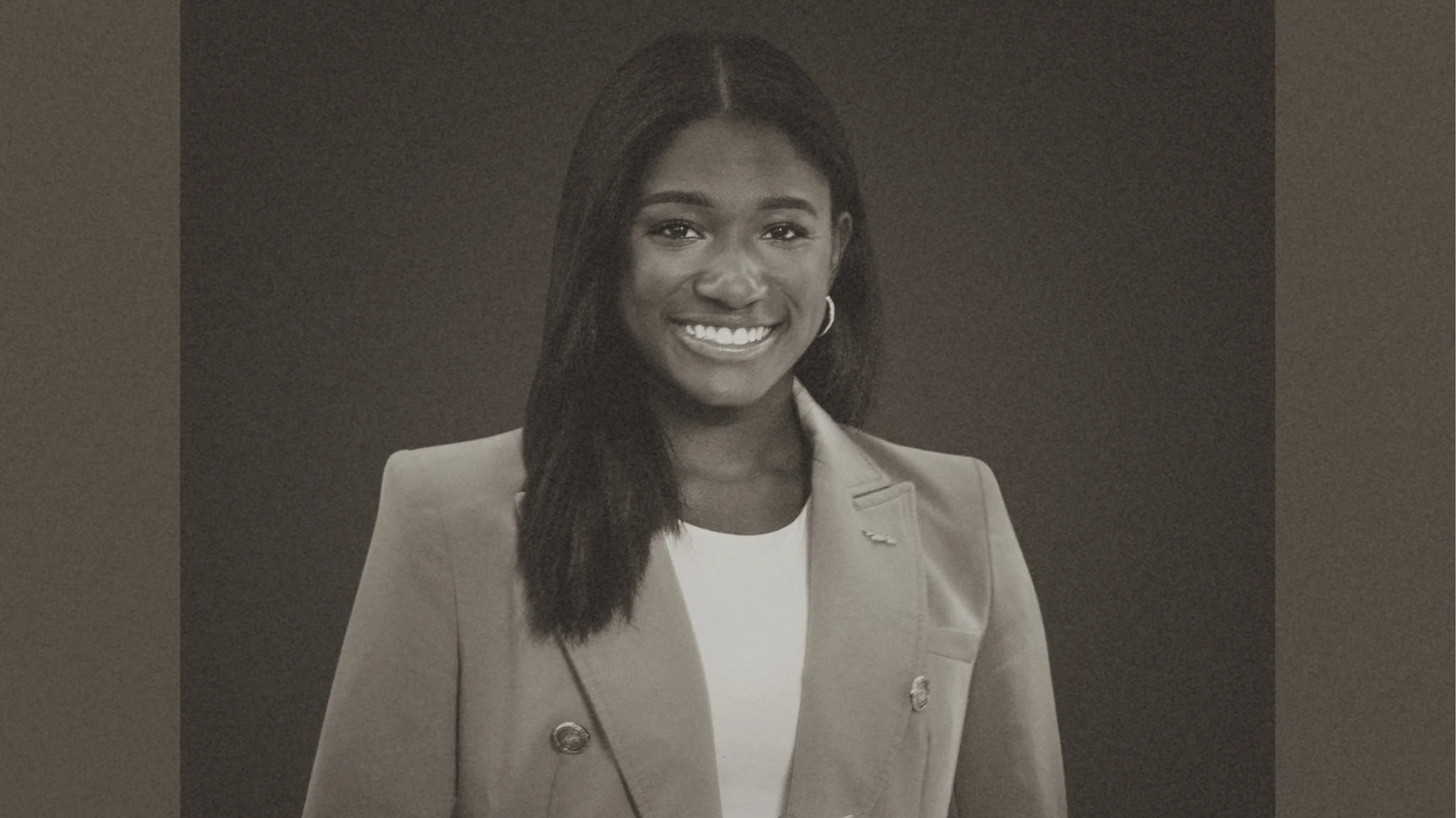
Abril Hunter
Co-Founder, Co-Executive Director
Abril Hunter is an environmental policy professional dedicated to advancing environmental justice and equity through legislative action. She currently serves as Chief of Staff to the Vice Chair of the Maryland General Assembly’s Education, Energy, and Environment Committee and holds a Master of Public Policy from Georgetown University’s McCourt School of Public Policy. A graduate of Florida State University, Abril earned her B.S. in Environmental Science and Policy with minors in Urban and Regional Planning and Social Welfare, graduating summa cum laude. Her commitment to addressing environmental racism began in middle school after learning about the Flint water crisis, inspiring a career focused on dismantling systemic inequities and reducing legacy pollution in vulnerable communities. The first Black recipient of the Truman, Hollings, and Udall Scholarships, Abril continues to use public policy as a tool for achieving equitable access to clean air, water, and healthy environments for underserved populations.
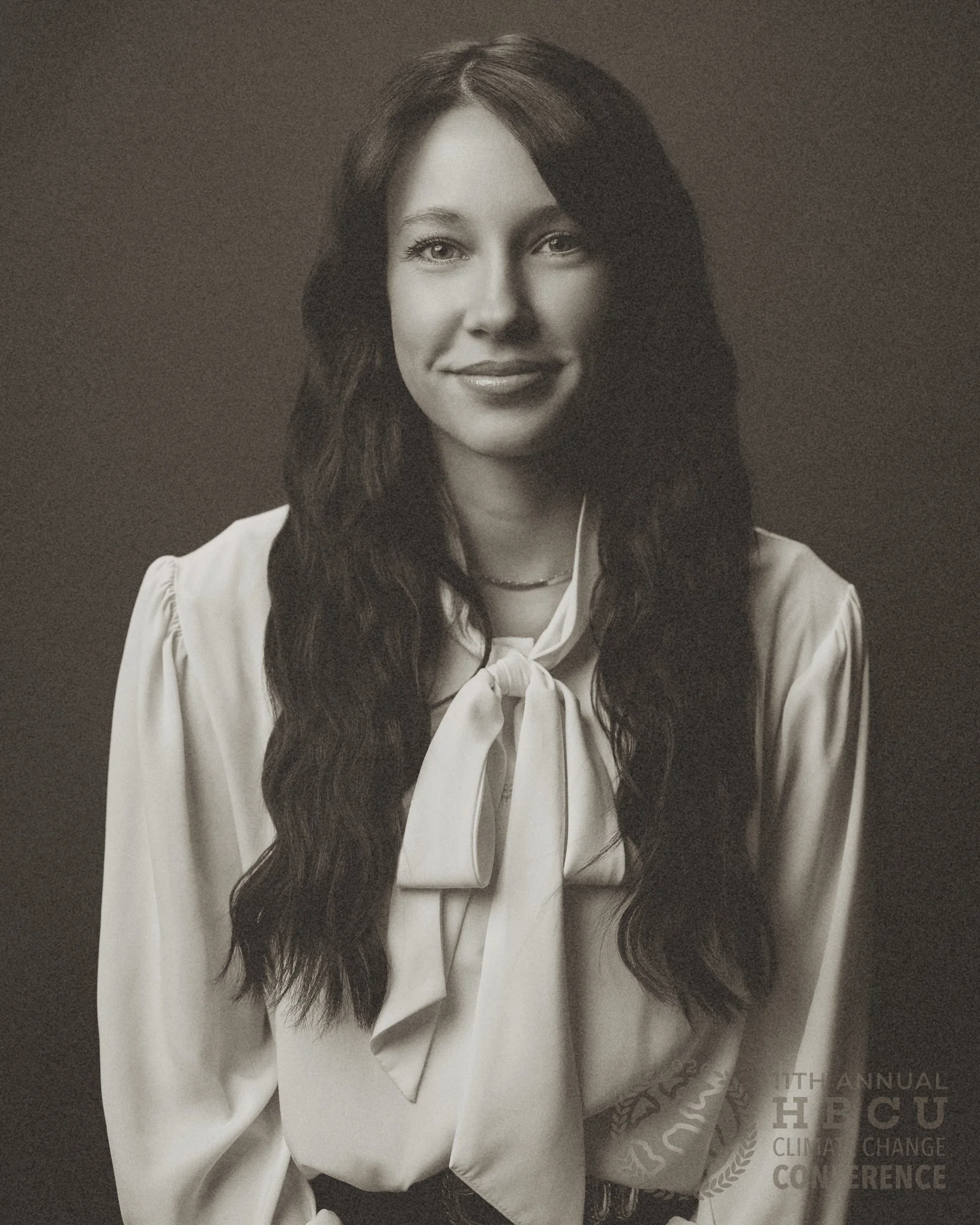
Kadison Cole
Co-Founder, Co-Executive Director
Kadison Cole Willis is an environmental policy researcher and practitioner specializing in the intersections of environmental justice, gender equity, and climate governance. She holds a Master’s of Science in Environmental Governance from the University of Oxford, where her research focused on the inclusion of women’s needs in congressional climate policy and the impact of a diverse legislative body on inclusive policy outcomes. Currently, Kadison is working with researchers across the world to develop a gender-sensitive toolkit to be used during hurricanes in rural Mexico, co-created by and for local women. Previously, Kadison has worked for the Biden Administration's Office of Environmental Justice, the National Women’s Political Caucus, and Texas House Representative Vikki Goodwin on environmental policy and gender equity.
Follow us on Social · Follow Us On Social · Follow us on Social ·
Follow us on Social · Follow Us On Social · Follow us on Social ·
Want to get involved?
Reach out to connect with the Women’s Environmental Justice Policy Center about research collaborations, speaker requests, media inquiries, or to learn how to support gender-focused climate justice in the United States. We’re also eager to hear from those interested in serving on our board, applying for future research fellowships, or exploring career opportunities with our team.